

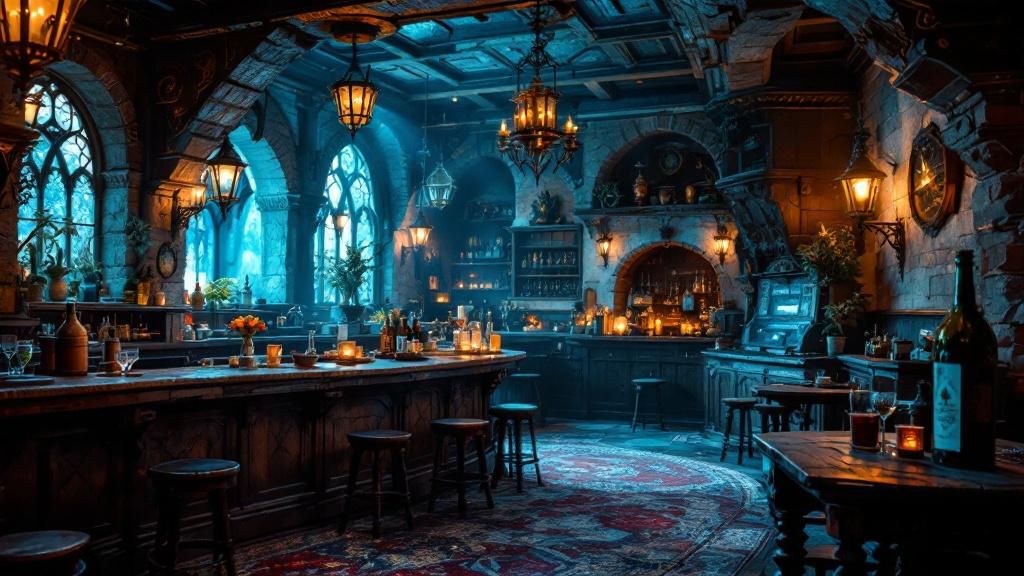
The actor who brought Astarion to life in Baldur’s Gate 3 has encouraged fans to exercise patience as HBO creates a live-action follow-up series based on the critically acclaimed game. Neil Newbon, who provided the voice for the vampire rogue in Larian Studios’ acclaimed RPG, has called on the gaming community to “let them cook” and refrain from premature judgement. The broadcaster announced the project on 6 February 2026, with The Last of Us showrunner Craig Mazin helming the adaptation. Rather than retelling the events of Baldur’s Gate 3 itself, the series will continue the story beyond the game’s conclusion, though Larian Studios was not initially involved in the venture—a choice that sparked significant backlash online.
The Road Ahead for HBO’s Baldur’s Gate Television Rendition
Whilst the reveal of an HBO Baldur’s Gate series generated considerable excitement amongst video game fans, it also provoked considerable backlash from the fanbase. The decision to establish a canonical ending—a essential requirement when bringing to screen a game renowned for its multiple storylines and player agency—proved especially controversial. Gamers who spent hundreds of hours building their own narratives questioned how HBO would reconcile the game’s countless different endings into a single narrative thread. The fact that Larian Studios was not involved during the early production phase only heightened worries about the adaptation’s credibility and respect for the source material.
Craig Mazin’s position as showrunner gives some confidence to doubtful fans. The accomplished TV writer and producer, who effectively managed the intricate adaptation of Naughty Dog’s The Last of Us, brings considerable pedigree to the project. However, with Mazin busy working on The Last of Us Season 3, scheduled to arrive in 2027, the Baldur’s Gate series remains in initial development phases. No official release date has been confirmed, suggesting viewers may face a considerable wait before the live-action version reaches screens. This extended timeline gives HBO and its creative team ample opportunity to address fan concerns and craft a compelling continuation of the beloved fantasy narrative.
- Craig Mazin leading the creative vision for the HBO series
- Canonical ending choice necessary for cohesive story structure
- The Last of Us Season 3 remaining the focus through 2027
- Longer production timeline enables careful artistic execution
Neil Newbon’s Plea for Artistic Freedom
Believing in the Artistic Direction
Neil Newbon, the actor portraying the enigmatic vampire rogue Astarion in Baldur’s Gate 3, has emerged as an surprising voice for moderation amidst the ongoing debate. Rather than adding to the chorus of sceptical fans, Newbon has publicly urged the fanbase to exercise patience and give HBO’s creative team the space necessary to craft their creative direction. In an interview with FRVR, the actor highlighted the importance of permitting creative projects to thrive without premature judgment. His measured perspective differs sharply to the swift pushback that greeted the announcement, providing a refreshing counterpoint to the frequently hostile online discourse regarding major adaptations.
Newbon’s confidence in the project stems largely from Craig Mazin’s role as showrunner. The accomplished screenwriter’s proven track record with The Last of Us adaptation showcases his ability to manage intricate source material with sensitivity and respect. Whilst Newbon himself acknowledges having no knowledge of where the story will go, he demonstrates genuine confidence in Mazin’s ability to create compelling narratives from difficult material. This endorsement from someone closely involved with the Baldur’s Gate 3 universe holds significant weight, indicating that at least one key figure connected to the original game considers the HBO venture warrants a fair shot at succeeding.
The actor’s more expansive argument examines a central issue with current fandom culture. Newbon argues that internet communities often “worry and pile on” before projects have even been realised, producing unnecessary anxiety about outcomes that remain entirely speculative. He champions a healthier approach: enabling creative endeavours to reach completion before drawing conclusions. This philosophy prompts fans to experience the finished product on its own merits rather than developing elaborate expectations or imagining disaster based on early development decisions. His call for thoughtful restraint represents a mature perspective on the obstacles inherent in converting beloved interactive narratives for linear television formats.
- Allow creative professionals artistic freedom without early judgment or judgment
- Craig Mazin’s demonstrated experience demonstrates capable storytelling expertise
- Judge finished products on merit rather than speculating throughout production
Audience Concerns and Early Pushback
The announcement of HBO’s Baldur’s Gate sequel series in February 2026 sparked considerable controversy within the gaming world. A primary point of contention focused on the showrunners’ decision to establish a definitive conclusion for the story, despite the original game’s various interconnected storylines and player-driven conclusions. This strategy directly conflicts with the interactive design of Baldur’s Gate 3, where each playthrough can diverge dramatically based on player decisions. Furthermore, the revelation that Larian Studios had not been consulted during initial development stages heightened worries, suggesting the adaptation might stray from the source material’s spirit and thematic aspects that resonated deeply with players globally.
Social media platforms sparked concern and debate regarding casting decisions, narrative direction, and the feasibility of adapting a 100-plus-hour interactive experience into a conventional broadcast narrative. Fans wondered whether HBO demonstrated the creative vision needed to do justice to the game’s intricate narrative and emotional resonance. The decision to replace actors with new actors, rather than including the original voice cast, intensified debate about the project’s authenticity. However, these concerns surfaced completely during the early development stage, with limited visual material, written content, or meaningful creative information shared with audiences to support such conclusions, making Newbon’s call for patience notably persuasive.
| Concern | Status |
|---|---|
| Larian Studios not consulted initially | Acknowledged but unresolved |
| Canonical ending selection | Controversial but necessary |
| Character recasting decisions | Announced without cast confirmation |
| Narrative authenticity and fidelity | Unknown until release |
Why Patience Makes a Difference
Newbon’s stress on patience tackles a more expansive social trend within fan-based communities. The inclination to build detailed stories of failure ahead of projects come to fruition demonstrates anxiety rather than informed criticism. By allowing production teams adequate space to realise their vision without relentless outside pressure, audiences ultimately benefit from more deliberate, nuanced artistic work. Early criticism can unwittingly influence production decisions, possibly compromising artistic integrity in preference for appeasing outspoken critics. Conversely, giving artists liberty to experiment and push boundaries often yields remarkable successes that initial skepticism might have stopped.
Furthermore, the interactive quality of Baldur’s Gate 3 makes its adaptation distinctly difficult. Television demands sequential narrative structure, necessitating tough choices about which narrative threads to focus on and which to set aside. Rather than making premature judgements, fans would gain from experiencing the finished product and assessing whether the production team effectively conveyed the game’s core identity within the limitations of television. Newbon’s suggestion to “let them cook” invites viewers to engage with the adaptation with open-mindedness, recognising that different formats necessitate distinct narrative methods whilst potentially delivering equally compelling experiences.
What Happens Next for the Brand
With Craig Mazin heading the series as showrunner, the Baldur’s Gate live-action adaptation represents a significant expansion of the franchise outside gaming. Mazin’s demonstrated expertise with The Last of Us adaptation showcases his aptitude to adapt intricate, cherished source material for TV viewers. However, his ongoing projects mean the HBO series remains in early development stages. The Last of Us Season 3 is scheduled for 2027, implying the Baldur’s Gate project will likely not materialise for a number of years. This extended timeline offers HBO and Larian Studios significant potential to enhance their collaborative approach and address initial concerns about creative consultation and story direction.
The impact of this adaptation could fundamentally reshape how the video game sector engages with TV collaborations. A carefully crafted Baldur’s Gate series might create fresh benchmarks for respecting original content whilst converting it for different mediums. Conversely, missteps could reinforce prevalent concerns about video game-to-television conversions. The series’ community will undoubtedly scrutinise every casting announcement, narrative choice, and production update as news breaks. Ultimately, the show’s critical response will shape whether future Larian Studios projects get similar television treatment and whether other prominent video game properties seek out similar major network deals.
- HBO announced the Baldur’s Gate sequel series in early 2026 with no confirmed release date
- Craig Mazin directs the project whilst wrapping up The Last of Us Season 3 for 2027
- New actors will portray iconic roles from the original game’s finale
- Larian Studios’ early exclusion from planning sparked significant fan backlash
- Fan reception will likely determine future gaming franchise television adaptation prospects
